
What is Equipment Leasing & Financing?
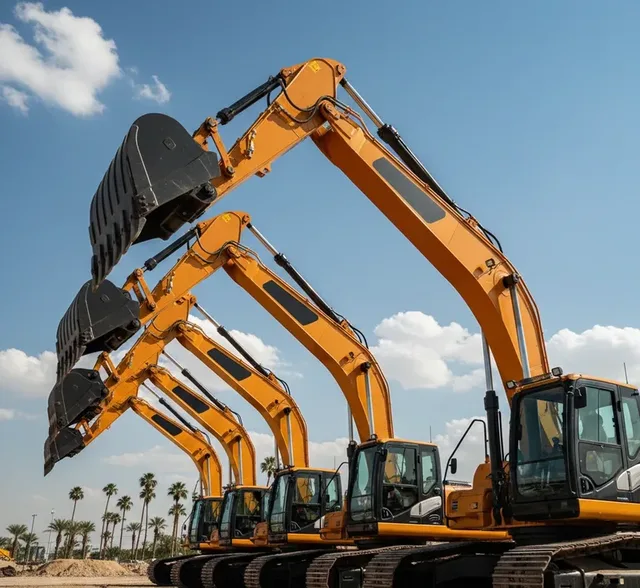
Equipment leasing and financing covers $100K to $50MM+ of machinery, vehicles, or technology over 3–7 year terms, with advance rates of 70%–85% of liquidation value and pricing of Prime + 3–10%. As of 2026, financing the asset directly is almost always cheaper than drawing on a working-capital line for the same purchase. Sale-leaseback structures let you extract 50%–70% of the equity from equipment you already own without adding a new debt covenant.
How It Works
When you are buying equipment, whether machinery, vehicles, a clean room, an imaging suite or anything else with a serial number and a useful life, financing the asset directly is almost always cheaper than paying for it from a working capital line. The reason is collateral. The equipment itself secures the loan, so if the business runs into trouble the lender can recover by selling the asset. That hard collateral lowers the rate. Working capital, by contrast, is unsecured against revenue, so it costs more.
As of 2026, terms typically run 36 to 84 months, with 60 months as the sweet spot, at rates from the high single digits to the low teens depending on credit and the type of equipment. Many lenders offer a three-month deferral at the front so the equipment can be installed and start earning before the first payment.
A few practical notes. If the equipment is built abroad, expect to bridge the purchase yourself, paying the vendor, shipping it and clearing customs, with the lender reimbursing on the back end. If the business is young or the credit is thin, a story credit deal is often still possible: a lender who underwrites the narrative, not just the financials. And if your manufacturer offers direct financing on reasonable terms, take it. We will say so plainly. Our value in that case is structuring working capital alongside.
The other half of this product is the sale-leaseback. If you already own equipment outright, the cash you put into it is locked up. A sale-leaseback transfers title to a lender and leases it back to you, which puts cash on your balance sheet without disrupting operations. It is a frequent choice for owners who want growth capital without touching real estate, signing a personal guarantee, or taking on a merchant cash advance.
Quick Facts
| Cost of Capital | Rates from high single digits to low teens, asset-and-credit dependent |
|---|---|
| Best For |
|
Key Features & Benefits
Loan range $100K to $50M+ as of 2026
36 to 84 month terms; 60-month is the sweet spot
Rates from high single digits to low teens, asset-and-credit dependent
Three months of deferred payments available on many deals
Advance rates 70%–85% of liquidation value
Equipment appraisal or vendor invoice/spec sheet required
Sale-leaseback structure for equipment you already own free and clear
International equipment: borrower bridges the purchase, lender reimburses post-customs
"Story credit" deals available for thinner credit profiles with a viable growth narrative
Vendor/manufacturer financing evaluated and negotiated alongside third-party options
Works for B2B and B2C, titled vehicles, clean rooms, imaging suites, fleet, production lines
Pairs naturally with a working-capital line so the equipment doesn't drain operating cash
Equipment Leasing & Financing - Common Questions
Get answers to the most common questions about equipment leasing & financing
How It Compares
Side-by-side breakdowns of Equipment Leasing & Financing against the structures it most often competes with
Other Funding Solutions
Working Capital Loans & Lines of Credit
A working capital loan is short-term, revenue-based financing of $100K to $10M+ that funds in 2 to 10 business days, priced at 1.25%–4% per month. As of 2026, it's the fastest way to cover payroll, inventory, or growth-driven cash gaps when a bank can't move quickly enough, and at the same speed as a merchant cash advance it costs roughly half as much because the payment is monthly rather than a daily extraction from sales.
Learn more about Working Capital Loans & Lines of Credit →Invoice Financing
Invoice factoring is the practice of selling unpaid B2B invoices to a factor for 75%–95% of face value within 24–48 hours, then receiving the balance (minus a 0.25%–1% fee per invoice) when the customer pays. As of 2026, pricing typically runs Prime + 1–6%, facility sizes range from $250K to $100MM, and the facility scales automatically with sales. Approval looks at your customers' credit rather than your tax return, which is why it works for growing companies whose financials don't yet tell the full story.
Learn more about Invoice Financing →Asset-Based Lending
Asset-Based Lending (ABL) is a revolving credit line, typically $250K to $25M priced at Prime + 1–5%, secured by a combination of accounts receivable (70%–90% advance), inventory (50%–75% advance), equipment, and sometimes real estate. As of 2026, ABL is the standard replacement for a maxed-out bank line when a company has hard assets but doesn't fit a traditional credit box. Most bank ABL desks start at $3–5M minimums, which is why deals below that size usually need an advisor with multiple lender relationships.
Learn more about Asset-Based Lending →